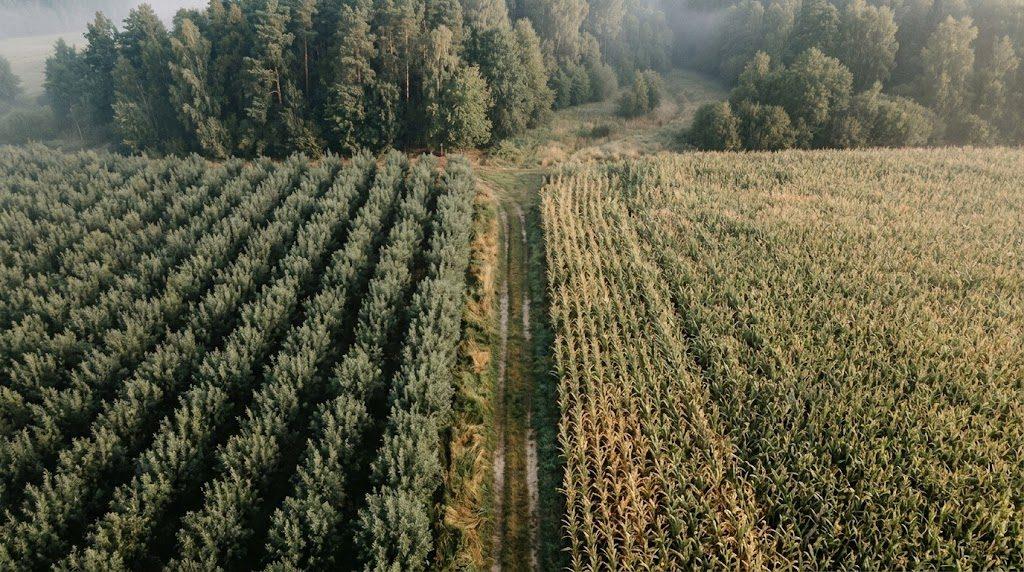
From willow and maize to second-generation biofuels
Lignocellulosic biomass is hard to break down. In the LignoCellFuel project we study its pretreatment in the HL-P reactor, so that methane fermentation and alcoholic fermentation yield more energy than it costs to prepare the raw material.




Project financed by the National Centre for Research and Development (NCBR) under the LIDER XIII programme. Project value: PLN 1,410,000.00.
We study what grows in the fields of Warmia
Two raw materials with different structures, one pretreatment method and one question: how much energy do we gain, and how much do we put in.
LignoCellFuel is a project dedicated to developing a technology for the pretreatment of lignocellulosic biomass before it is used for biofuel production. The central element of the solution is the HL-P reactor, designed for research on preparing substrates for methane fermentation (anaerobic digestion) and alcoholic fermentation.
The work combines the development of the device with the selection of biomass pretreatment conditions and an assessment of their effect on the results of further processing. The project is carried out at the University of Warmia and Mazury in Olsztyn under the direction of Anna Nowicka, PhD, Eng., within the LIDER programme of the National Centre for Research and Development.
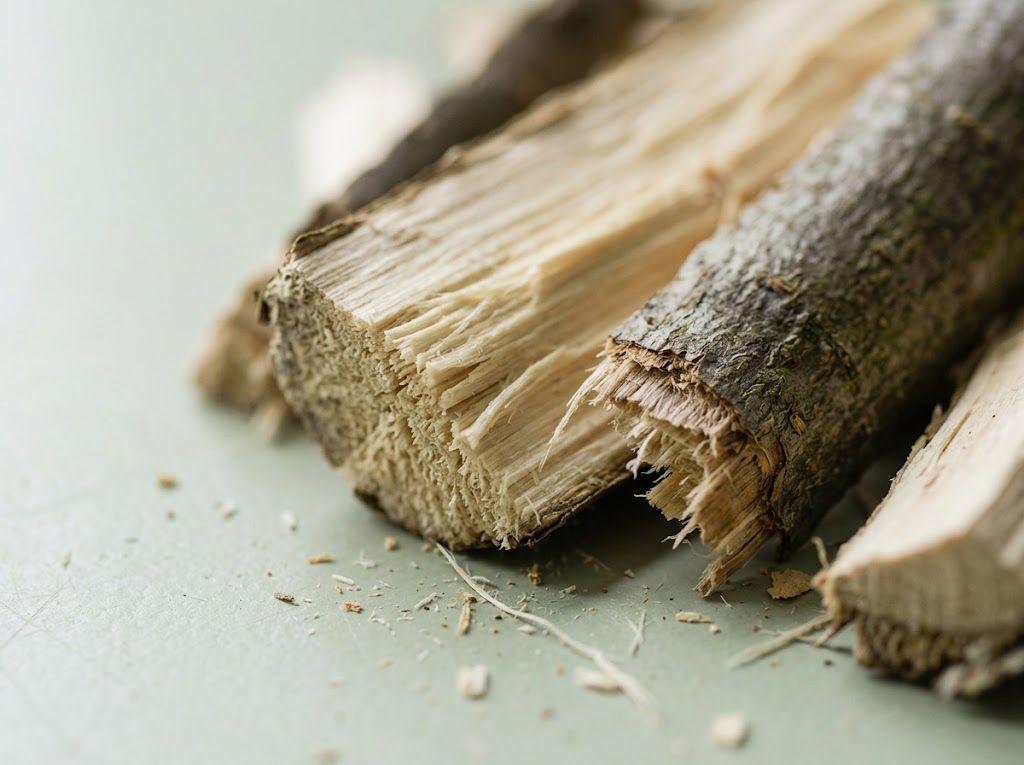
Willow
A woody raw material with a high lignin content. We study how temperature and pressure changes open up its structure.
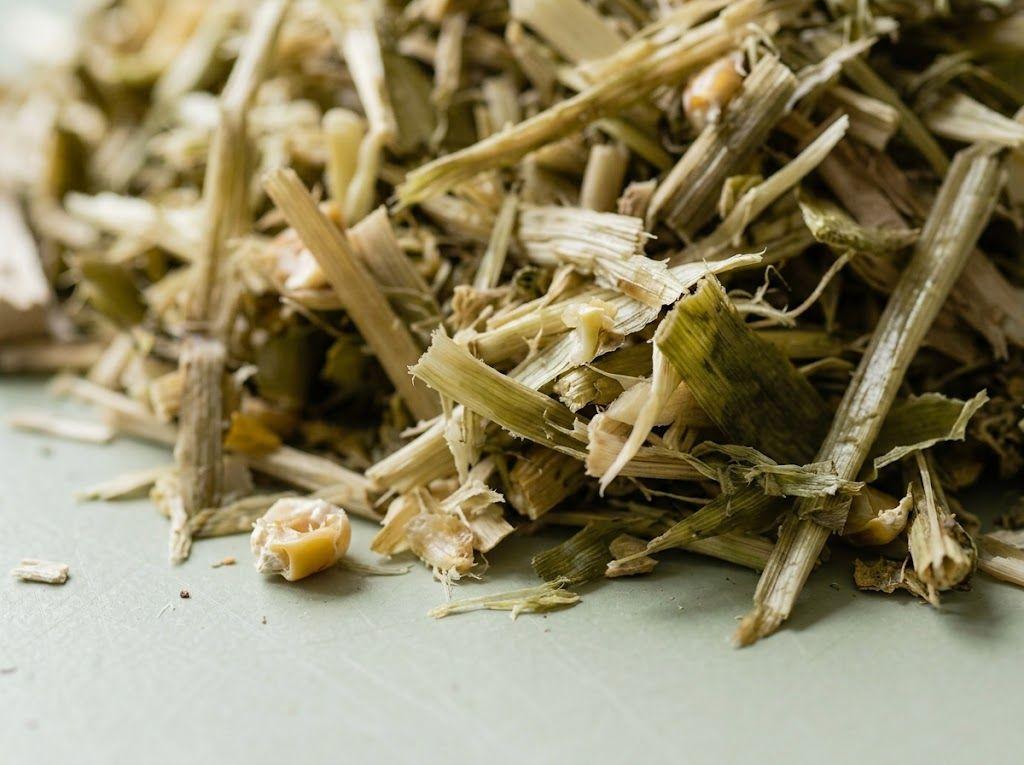
Maize silage
An agricultural raw material with a different cellulose and hemicellulose composition. We compare microwave and conventional heating.
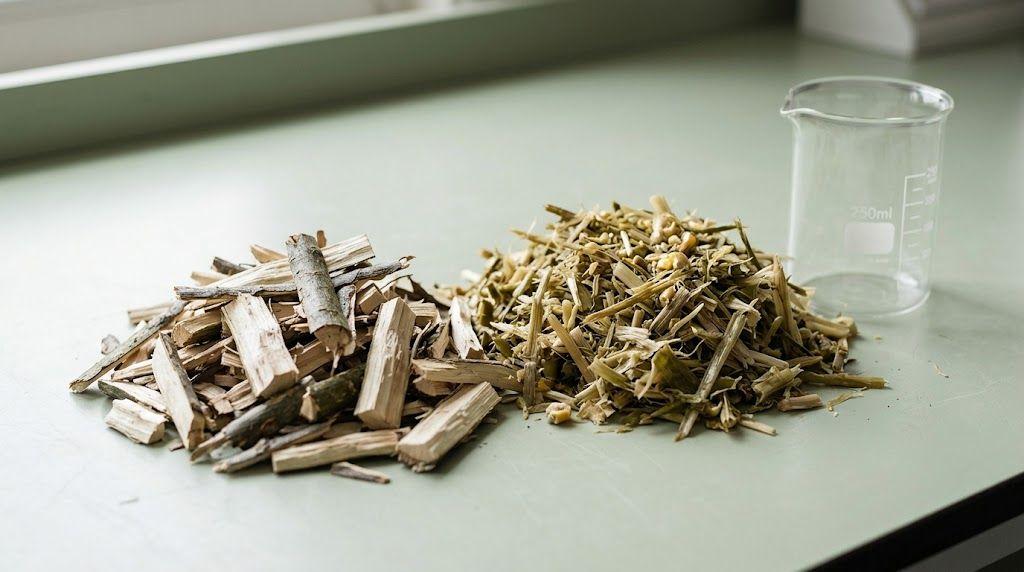
Pretreatment in the HL-P reactor
High- and low-pressure zones, microwave or conventional heating. The technology is under development.
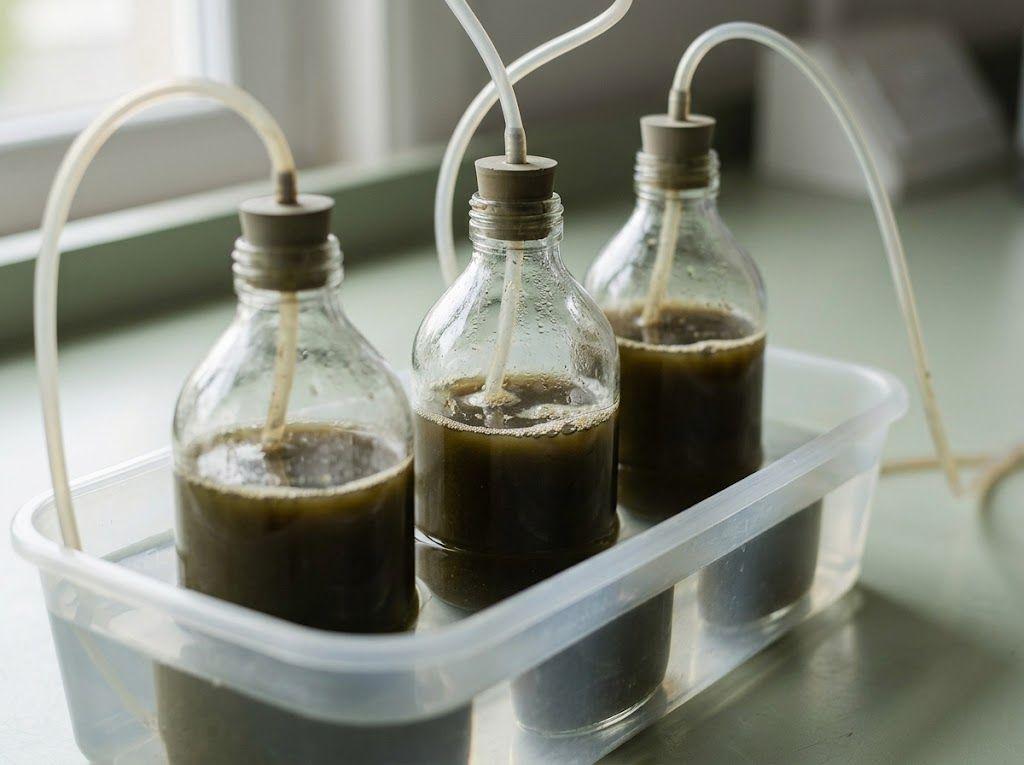
Methane and alcoholic fermentation as a measure of pretreatment effectiveness
We measure methane and ethanol yields, the energy input of pretreatment and the risk of forming compounds that inhibit fermentation. A patent application is being prepared.
Read about the technologyPublications
All publicationsMicrowave Versus Conventional Acid-Free Thermohydrolysis of Maize Silage: Effects on Methane Yield and Yeast Fermentation
Microwave Autohydrolysis with Explosive Decompression of Willow and Maize Silage: Residence Time, Methane Yield and Energy Balance
Microwave- Versus Conventional Acid-Assisted Thermohydrolysis of Willow and Maize Silage: Methane Yield and the Energy Cost of Pretreatment